
Website design for IT and electronics shops
Electronics buyers compare prices across five shops in ten minutes. Be one of the five that published theirs.
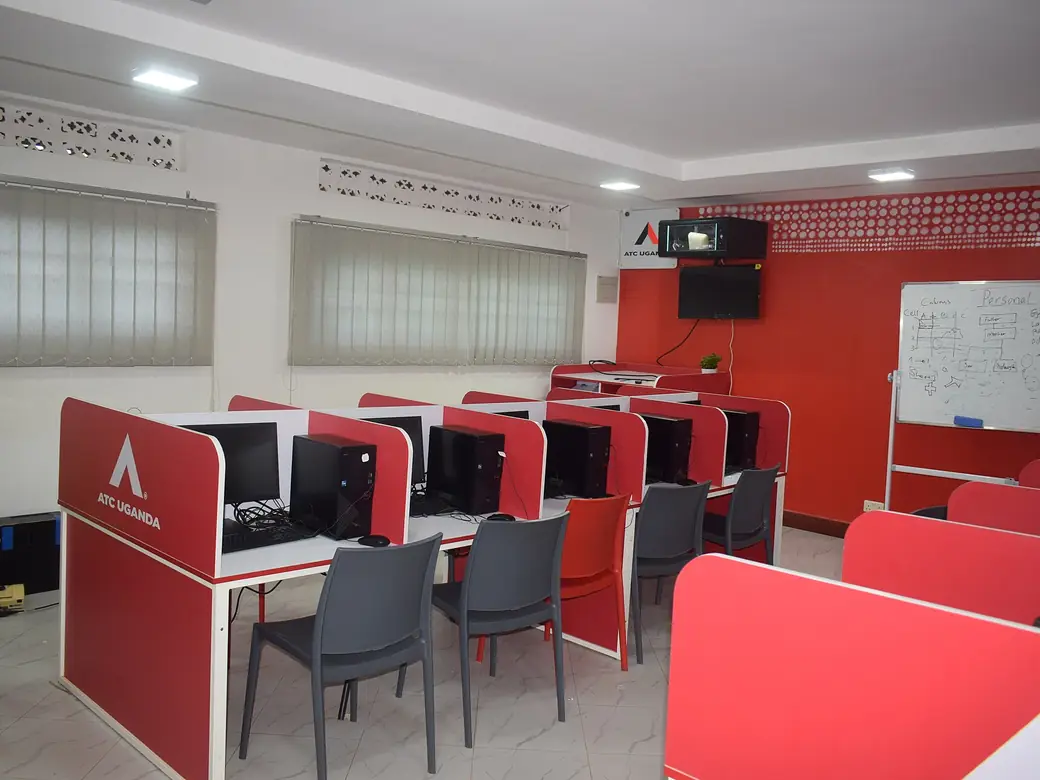
Typical for a it and electronics shops website
From deposit to live, depending on size
We write the pages, you check them
Domain and hosting in your name
Electronics is the most price-transparent retail category in Uganda. A buyer looking for a laptop knows roughly what it should cost and is comparing shops on price, warranty and whether the item is new, refurbished or ex-UK. A shop that will not publish prices is simply skipped.
We build electronics sites as proper shops: products with specifications and prices, stock status, warranty terms, and Mobile Money or WhatsApp checkout.
In electronics the doubt that stops a sale is whether the item is genuine and what happens if it fails. Counterfeit and refurbished stock is common enough that buyers assume the worst. A shop that states plainly whether items are new, official or grey import, what warranty applies and who honours it, and what the return policy is, removes the one objection that sends people to a bigger and more expensive competitor they trust slightly more.
Repairs are where an electronics shop wins the customers that marketplaces cannot take. Screen replacements, battery changes, laptop keyboards, water damage, data recovery and software installs are searched constantly, by people who need it today and will travel to whoever gives a price. Give the common repairs their own page with an indicative cost and how long it takes, say whether you do it in-house or send it out, and be clear about what happens to data. Then publish your warranty on repairs. A shop that offers even thirty days on a screen replacement immediately looks different from a stall that offers nothing.
The mistake we see most often
The trust issue in this category is condition. Buyers have been sold "new" items that were refurbished. Label condition honestly on every listing - new, ex-UK, refurbished - and state the warranty, and you will convert better than a competitor who is vague and cheaper.
What a it and electronics shop website needs
- Product listings with specifications, condition, price and stock status
- Warranty terms, stated per product category
- Mobile Money and card checkout, plus WhatsApp ordering
- Delivery zones and charges, and pickup arrangements
- Repair and support services if you offer them
- Your physical shop, so buyers know where to bring a fault
Included as standard
Every site we build leaves our hands with all of this. None of it is an extra.
Google Business Profile
Set up and verified so you appear on Google Maps with your hours, photos and phone number.
Written to be found
Page titles, headings and text built around what your customers actually type into Google.
Fast on slow connections
Compressed images, no page-builder bloat. Pages open in about two seconds instead of eating someone's data.
What it costs
A it and electronics shops website usually lands in the Shop package, from UGX 1,500,000. Half to start, half at launch.
Domain and hosting are separate and paid to the hosting company - roughly UGX 150,000 to 300,000 for the first year, registered in your name.
Questions from it and electronics shops
Should we build a full online shop?
This is one of the categories where it genuinely pays. Products are standardised, prices are comparable, and buyers are ready to order. Start with your best-selling thirty products rather than trying to list everything on day one.
Our stock changes daily. How do we keep up?
Stock tracking marks items out of stock automatically once sold, so you are never taking money for something you cannot supply. Adding a new product takes about two minutes once your photos are ready.
How do we compete with the big online marketplaces?
On specialisation, warranty and being reachable. A shop that specialises in, say, business laptops and printers, publishes real warranty terms and answers WhatsApp in minutes beats a marketplace listing on the searches that matter to you.
How do we convince buyers our stock is genuine?
Say so explicitly, in writing, and back it with terms. State for each category whether items are new, refurbished or ex-UK, because being honest about grey stock is more persuasive than pretending everything is official. Publish your warranty: how long, what it covers, whether you handle it in-shop or send it to a service centre, and what the customer needs to keep. Say whether you give a receipt with serial numbers, and publish a clear return policy for dead on arrival. Photograph actual stock rather than using manufacturer images. Buyers are not expecting perfection, they are trying to establish whether you will still be helpful after they have paid.
How do we handle warranty claims and returns for things bought online?
Write the policy down before you need it, and keep it short enough that people read it. Say what carries a warranty and for how long, what voids it, and whether the customer brings the item back to you or the manufacturer handles it. Say who pays transport for a warranty return. For online sales, state the return window for an item that arrives faulty and what happens if somebody simply changes their mind, because those are different situations and mixing them causes arguments. Keep the serial number on every receipt and issue the receipt by WhatsApp as well as on paper. Most disputes in this trade come down to proving what was sold and when, and a shop that keeps proper records settles them in minutes.
Related
Supermarkets and retail shops
Delivery is the opportunity. Customers will pay for a shop that brings the order to Kiwatule by evening.
Read moreSecurity companies
Security is bought on trust and licensing. Both belong on your website before anyone calls.
Read moreSolar and energy companies
Buyers want to know what a system costs and whether it will run their fridge. Answer both and the enquiries arrive qualified.
Read moreReady to talk about your it and electronics shop website?
One WhatsApp message with what your business does is enough. We reply with what your site needs, what it costs and how long it takes.